
THE PEAK DELIVERY OF GREEN-FUELED MEGA-SHIPS (METHANOL & LNG)
---------- ---------- ---------- ---------- ---------- ---------- ----------
April 2026 has set a new industry record as a wave of major shipping lines—including industry giants like CMA CGM, Maersk, and COSCO—simultaneously launch and put into commercial operation a new fleet of Ultra-Large Container Vessels (ULCVs). These mega-ships, boasting carrying capacities of over 15,000 TEUs, are equipped with state-of-the-art dual-fuel engines.
Key aspects of this development include: The Dual-Fuel Revolution: The integration of engines capable of running on both traditional marine fuels and greener alternatives like Green Methanol and Liquefied Natural Gas (LNG) marks a definitive turning point in maritime technology. This allows carriers to significantly reduce their carbon footprint while maintaining the massive cargo capacity required for global trade.
Strict Regulatory Drivers: This aggressive "green transition" is primarily driven by the need to comply with stringent global environmental mandates. Vessel operators must meet the International Maritime Organization's (IMO) Carbon Intensity Indicator (CII) standards to keep their ships operational. Furthermore, they must navigate the heavy financial implications of the European Union
Emissions Trading System (EU ETS), which effectively puts a price on maritime greenhouse gas emissions.
The Financial Impact on Shippers: While the environmental benefits are undeniable, the transition comes at a premium. Alternative green fuels are currently much more expensive to produce and bunker than conventional heavy fuel oil. Consequently, shippers and Beneficial Cargo Owners (BCOs) must adapt to a new financial reality: the widespread application of Green Fuel Surcharges. These additional fees are now being systematically applied to ocean freight rates to help carriers offset the elevated costs of operating sustainable supply chains. 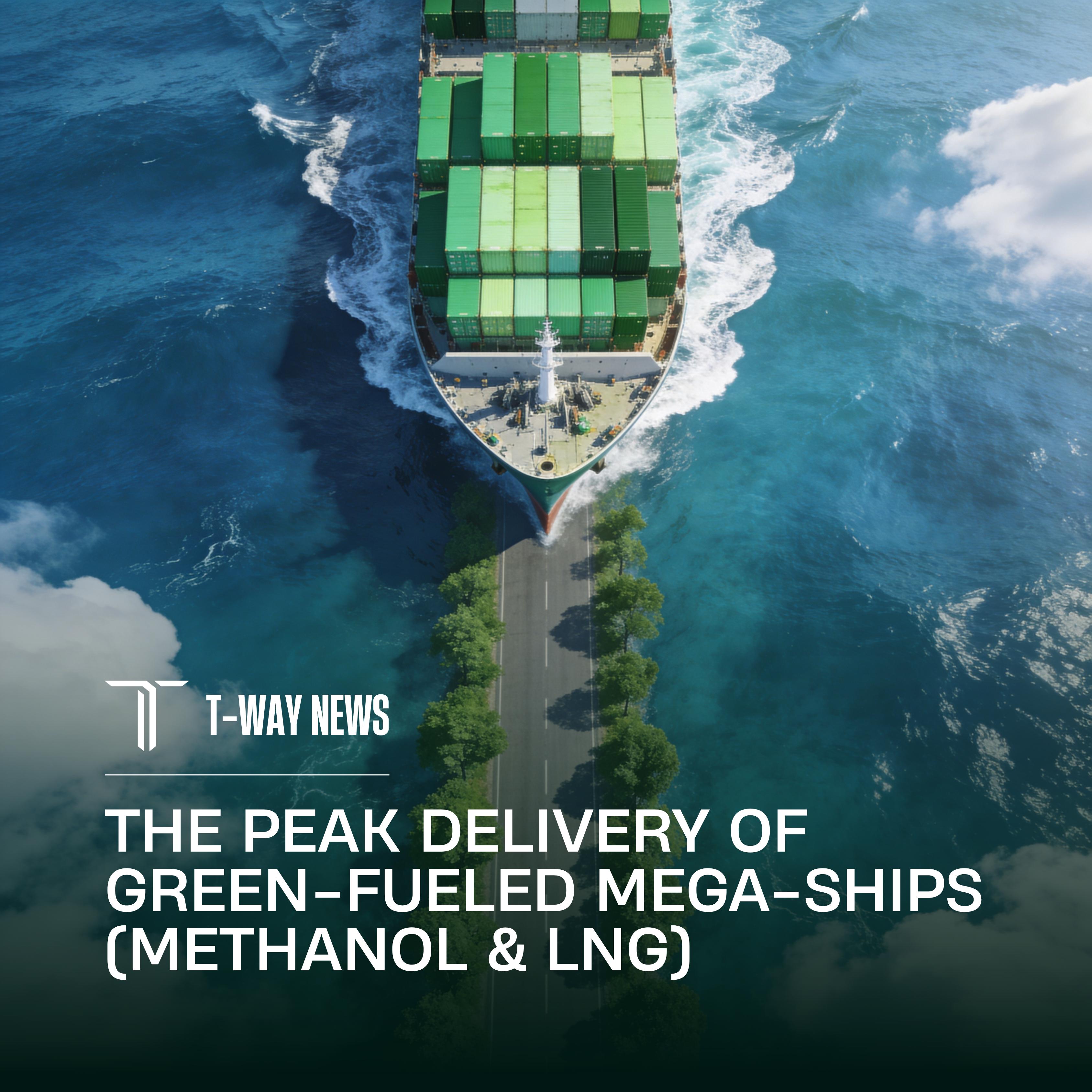 being systematically applied to ocean freight rates to help carriers offset the elevated costs of operating sustainable supply chains.